The Definitive Guide to Picking the Right Skylights for Your Space
Selecting the right skylights can significantly affect a home's atmosphere and energy efficiency. Each type presents distinct benefits, from increased natural light to improved ventilation. However, selecting the ideal skylight requires careful consideration of several factors, including placement, size, and materials. Homeowners should weigh these factors thoroughly. Recognizing these elements is vital for arriving at an informed decision that complements both style and functionality. What comes next in this planning process?
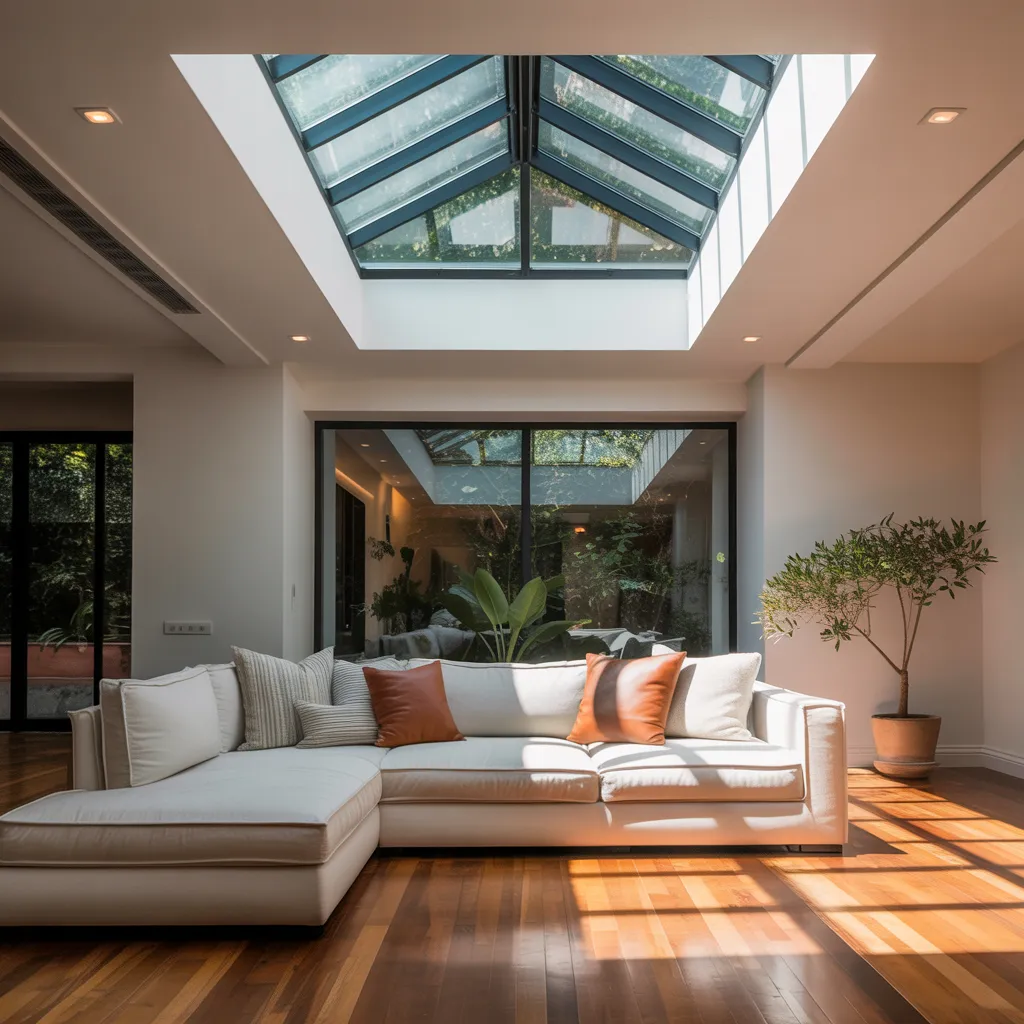
Exploring the Advantages of Skylights for Your Home
Skylights offer numerous advantages that can substantially elevate a home's atmosphere and functionality. They bring natural light into spaces that might otherwise feel dark or cramped, creating a warmer and more comfortable environment. This surge of sunlight can reduce reliance on artificial lighting, leading to reduced energy costs. Moreover, skylights can improve ventilation, especially when openable designs are installed, allowing warm air to escape and cool breezes to flow in.
In addition, skylights offer a link to the outdoors, giving occupants a view of the sky and surrounding scenery. This visual link can elevate mood and support overall wellness. In addition, thoughtfully situated skylights can enhance the architectural appeal of a home, adding a contemporary element that can improve property appeal. All in all, the merits of skylights surpass mere aesthetics, contributing to energy savings, well-being, and an greater quality of life inside the home.
Comparing Different Types of Skylights: Find Your Perfect Match
In exploring skylights, it is important to appreciate the various types available, each providing distinct advantages designed for different areas. The selection of a skylight can greatly impact natural light, efficiency, and overall design, making the perfect positioning critical. By evaluating these considerations, homeowners can determine the best fit for their particular preferences.
Skylight Types Explained
Natural light can transform a space, and selecting the right type of skylight is essential for achieving the desired effect. Several types of skylights are available to explore, each crafted for particular functions and visual appeal. Fixed skylights offer a permanent source of illumination, suitable for locations where ventilation is not needed. Ventilated skylights, by contrast, can be opened to welcome fresh air, making them well-suited for use in kitchens and bathrooms. Tubular skylights guide natural light through reflective tubes, excellent for more confined areas. Finally, dome skylights offer a unique design and are often utilized in commercial settings. Understanding these options helps determine which skylight aligns best with the specific needs and style of a space.
Perks of Every Type
Selecting the ideal skylight can considerably enhance both visual appeal and functionality in any area. Every option delivers unique benefits tailored to individual needs. Stationary skylights, for instance, provide ample natural light and are well-suited for improving a area's brightness without ventilation. Operable skylights, on the other hand, enhance air circulation, making them ideal for bathrooms and kitchens. Tube skylights are a fantastic option for tight or limited spaces, delivering diffused light without affecting space. Skylights equipped with internal shading add versatility, enabling users to control light levels and privacy. Additionally, energy-efficient models help reduce heating and cooling costs, contributing to overall energy savings. Understanding these benefits is vital for reaching a well-informed choice.
Best Installation Positions
Skylight placement plays an essential role in maximizing their value and elevating the overall ambiance of a space. Prime locations encompass spaces that benefit from natural light, such as living rooms, kitchens, and bathrooms. South-facing skylights are perfect for capturing sunlight throughout the day, while north-facing installations deliver steady, diffused illumination free of glare. Additionally, east-facing skylights allow for morning light, promoting a warm start to the day, whereas west-facing installations capture afternoon sun, ideal for evening relaxation. Within spaces that have high ceilings, placing skylights close to the summit can deliver a bold visual impact and boost ventilation. Ultimately, the choice of skylight type and location should align with the specific lighting needs and architectural style of the space.
Essential Factors to Consider When Choosing Your Skylights
When selecting skylights, it is important to consider natural light needs and energy efficiency options. Different spaces may require different levels of natural light, impacting the selection of the ideal skylight dimensions and positioning. Additionally, energy-saving models can considerably decrease heating and cooling costs, making them an excellent investment.
Natural Light Requirements
Natural light plays an essential role in enhancing the ambiance and functionality of any space, as it impacts both atmosphere and energy performance. When deciding on skylights, it is essential to examine the unique natural light demands of the room. Consider the room's purpose; for instance, living areas benefit from abundant light, while bedrooms may require softer illumination. The orientation of the space also matters; south-facing skylights typically absorb more light across the day, while north-facing selections deliver a more uniform, gentle illumination. Furthermore, the dimensions and design of the skylights should correspond with the preferred light level, establishing a harmonious setting. Ultimately, understanding these factors guarantees that the chosen skylights fulfill the unique lighting requirements of each area.
Energy-Saving Options
Energy efficiency is a critical consideration when evaluating skylight options, as it significantly affects both operational costs and environmental responsibility. When assessing your choices, elements including glazing type, frame materials, and insulation properties should be prioritized. Dual or triple-pane glazing offers exceptional thermal efficiency, reducing heat loss in colder months and heat gain in warmer months. Low-emissivity glazing coatings additionally improve thermal performance by blocking infrared radiation while maintaining natural light flow. In addition, skylights with energy-efficient frames, such as vinyl or composite materials, effectively reduce thermal bridging. Professional installation is necessary to eliminate air infiltration, ensuring ideal performance. Choosing ENERGY STAR-rated skylights can greatly contribute to lower energy bills while promoting a more sustainable living environment.
Choosing the Right Size and Placement for Skylights
Determining the ideal dimensions and positioning for skylights is essential for maximizing their benefits. The size of a skylight should correspond to the dimensions of the room and the intended quantity of natural light. Greater apertures can greatly brighten a space but may require careful consideration to prevent overheating or glare.
Location plays an equally vital role; ideally, skylights ought to be placed to maximize sunlight exposure throughout the day while limiting direct light penetration during the hottest parts of the day. This can boost comfort levels and energy performance.
Taking room function into account is essential; for instance, a kitchen may benefit from a skylight positioned above work areas, while aesthetic considerations may take detailed resource precedence in a living room. Additionally, assessing the current architectural elements and roof pitch can assist in identifying optimal placement. Appropriate dimensions and thoughtful positioning ultimately foster a balanced integration of natural light and climate management, enhancing the overall ambiance of the space.
Skylight Materials You Should Know
When thinking about skylights, the choice of materials plays an essential role in their performance and longevity. Frequently utilized materials include glass, acrylic, and polycarbonate, each offering distinct advantages. Glass is frequently preferred for its strength and UV resistance but can be heavier and more expensive. It further delivers outstanding clarity and thermal insulation when double or triple-glazed.
Acrylic, known for being lightweight and highly impact-resistant, makes for a popular selection among those looking for affordability. Nevertheless, it tends to scratch more readily and often provides less insulation compared to glass.
Polycarbonate is another strong option, recognized for its superior impact resistance and energy efficiency. This material is also capable of offering UV protection, making it suitable for various climate conditions.
In the end, choosing the right skylight materials should correspond with the particular requirements of the space, striking a balance between aesthetics, functionality, and budget.
Should You DIY Your Skylight or Hire a Pro?
How does a homeowner decide whether to approach a skylight installation as a self-managed project or bring in a professional? This choice frequently depends on several factors, including skill level, project complexity, and safety concerns. For homeowners who have a strong foundation in home improvement and a detailed familiarity with roofing systems, a DIY approach may be feasible. They can potentially save on labor costs and enjoy the satisfaction of completing the project themselves.
Nevertheless, skylights necessitate careful installation to avoid leaks and ensure structural integrity. Enlisting a professional can lower risks, particularly for individuals who lack experience in roofing or construction. Experienced specialists provide expertise, specialized tools, and familiarity with local building codes, which can streamline the process and enhance overall quality. At the end of the day, assessing personal skill against the complexities of skylight installation will help homeowners make an informed choice between doing it themselves and hiring a professional.
Maximizing Energy Efficiency Using Skylights: Tips and Tricks
Skylights can greatly enhance energy efficiency in a home, particularly when positioned thoughtfully and installed correctly. For maximum benefit, homeowners need to evaluate the directional positioning of their skylights; south-facing installations harness plentiful natural light, while north-facing options provide consistent, diffused light without excessive heat. Incorporating low-emissivity (Low-E) glass effectively limits heat transmission, keeping interiors cooler in summer and warmer in winter.
In addition, installing shades or blinds can additionally regulate lighting and temperature, allowing for adaptable energy consumption. Proper insulation around the skylight frame is vital to stop unwanted air leakage, which can lead to unnecessary energy loss. Moreover, selecting energy-efficient models that meet ENERGY STAR® specifications can considerably cut overall heating and cooling expenses.
Routine upkeep, encompassing cleaning and checking seals, guarantees peak performance over time. By implementing these suggestions, skylights can operate as an efficient solution in achieving greater energy efficiency in all types of spaces.

Commonly Asked Questions
How Do Skylights Affect Indoor Temperatures Year-Round?
Skylights have a notable effect on indoor temperatures year-round. In summer, they may increase heat gain, while in winter, they can enhance natural light and warmth. Proper placement and design are essential for ideal temperature control.
Can Skylights Be Installed on Any Type of Roof?
Not all roof types are compatible with skylights. Their installation depends on roof pitch, material, and structural integrity. Proper assessment guarantees peak performance and prevents potential leaks or structural issues over time.
What Upkeep Do Skylights Need Over Time?
Skylights demand consistent care, such as washing the glass surfaces, inspecting seals for any leaks, and evaluating the flashing condition. Periodically, homeowners ought to evaluate the surrounding roof condition to guarantee proper drainage and avoid water damage in the long run.
Are Skylights Able to Help Lower Electricity Bills?
Skylights can indeed help reduce electricity bills by enhancing the amount of natural light in a room, thereby decreasing reliance on artificial lighting. This may result in considerable energy savings, especially in well-placed and properly insulated installations.
Which Skylight Brands Are the Best?
Premier skylight manufacturers include Roto, Velux, and Fakro. Such manufacturers are celebrated for their outstanding quality, energy-efficient designs, and cutting-edge designs, which makes them popular choices among contractors and homeowners seeking superior skylight solutions.